Sauna + Cold Plunge: The Contrast Therapy Protocol
The classic routine: 15–20 minutes hot in the sauna, then 1–3 minutes in a cold plunge, repeated for 2–4 rounds. Finish on cold to feel energized, or on heat to wind down. It's one of the most satisfying recovery rituals you can build at home — here's exactly how to do it, how to build the setup, and how to stay safe.
The numbers that work for most people
Use these as a starting template, then adjust the durations and number of rounds to your experience level and how you feel.
| Starting template | |
|---|---|
| Hot (sauna) | 15–20 minutes |
| Cold (plunge) | 1–3 minutes |
| Rounds | 2–4 |
| Sauna temperature | 110–140°F |
| Plunge temperature | 50–59°F |
A single contrast session, start to finish
One full round is one hot phase plus one cold phase. Here's a typical 3-round morning session.
Round 1 — Heat (15–20 min)
Settle into the sauna at 110–140°F. Let your body warm fully until you're sweating freely and relaxed.
Round 1 — Cold (1–3 min)
Step into the plunge at 50–59°F. Breathe slowly and stay calm. Beginners: start at 30–60 seconds.
Round 2 — Heat (15 min)
Back to the warmth. Let the shiver fully subside and your body re-warm before the next plunge.
Round 2 — Cold (1–3 min)
Plunge again. Most people find the second and third rounds easier than the first.
Round 3 — Heat (15 min)
Final warm phase.
Finish — Cold (1–3 min)
End on cold for an alert, energized morning finish. Prefer to wind down for sleep? End on heat instead.
What contrast therapy is good for
Alternating heat and cold is a long-standing recovery practice. Here's what people most often report — described honestly, not as medical claims.
Recovery
A popular post-training ritual. The heat relaxes muscles; the cold is invigorating. Many athletes use contrast therapy as part of their routine.
Energy & alertness
Finishing on cold leaves most people feeling sharp, awake, and clear-headed — a natural way to start the day.
Mood & resilience
Deliberate heat and cold exposure is widely described as a mood and stress-resilience practice. The "I did the hard thing" effect is real.
A ritual you'll keep
More than anything, it's a satisfying habit. A routine you genuinely enjoy is one you'll actually repeat — and consistency is what delivers.
The two halves of a contrast setup
You need one hot source and one cold source. You can start with either — many people add the second once the ritual sticks.
Infrared Sauna
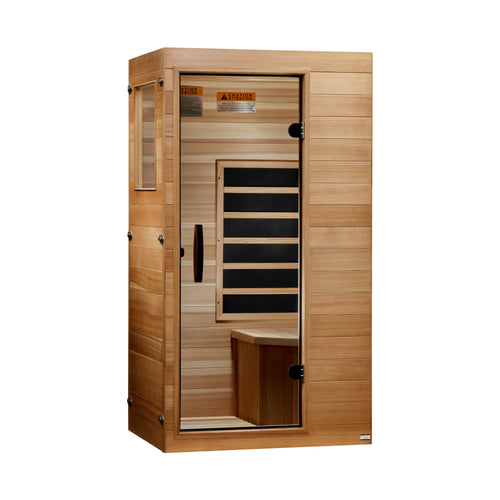
Low-EMF infrared cabins that plug into a standard outlet, ship free, and assemble in under 90 minutes. Comfortable enough to sit through multiple 15-minute heat rounds.
Cold Plunge
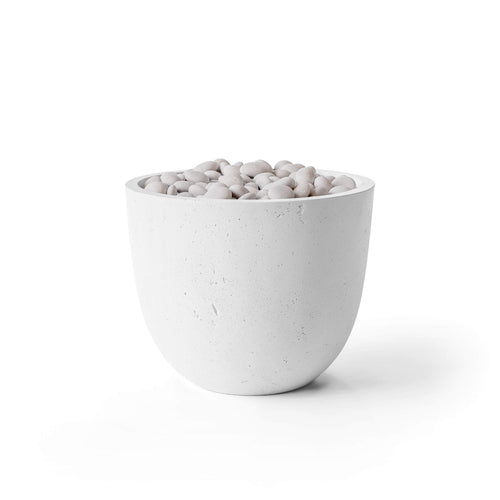
From budget-friendly inflatable tubs to insulated barrel plunges with chillers for consistent, repeatable cold all year round.
Stay safe in the cold
Ease in — start with shorter, less-cold exposures and build up. Never plunge alone if you're new to it, never combine cold immersion with alcohol, and get out if you shiver uncontrollably, feel numb, or feel unwell. Cold immersion places real stress on the heart and circulation: if you're pregnant, have a heart condition, high blood pressure, or any cardiovascular concern, talk to your doctor before starting contrast therapy.
Hot, cold, repeat
Not sure where to start? Take the 60-second quiz and we'll match you to the right sauna — then add a cold plunge when you're ready. Everything ships free, with monthly payments available (0–36% APR).
Questions? (307) 201-4597 · 9am–5pm MT, every day
Contrast therapy FAQ
How many rounds should I do?
Should I end on hot or cold?
Can I just use a cold shower instead of a plunge?
How often can I do contrast therapy?
This article is general wellness information, not medical advice. Cold-water immersion and heat exposure carry real risks for some people. Consult your healthcare provider before starting, especially if you have a heart condition, high blood pressure, or are pregnant.